

What is the difference between a pen and a quill?
Jan 21, 2026
Leave a message
The world of writing instruments is a fascinating one, filled with a rich history and a diverse array of options. Among the most commonly used tools are pens and quills, each with its own unique characteristics, history, and functionality. As a pen supplier, I've had the privilege of exploring the nuances of these two writing instruments in depth. In this blog post, I'll delve into the differences between a pen and a quill, shedding light on their distinct features, advantages, and limitations.
Historical Background
The quill is one of the oldest writing instruments known to humanity, with a history that dates back over 1,400 years. Quills were primarily made from the feathers of large birds, such as geese, swans, or turkeys. The process of creating a quill involved carefully selecting a suitable feather, cleaning it, and then shaping the tip into a nib. The hollow shaft of the feather served as an ink reservoir, allowing the writer to dip the quill into ink and then use it to write on various surfaces, including parchment, vellum, and paper.
Quills were the primary writing instrument in Europe from the 6th to the 19th century, and they played a crucial role in the development of literature, art, and science. Many famous historical documents, such as the Declaration of Independence and the Magna Carta, were written with quills.
On the other hand, the modern pen has a much more recent history. The first fountain pen was invented in the 19th century, and it marked a significant advancement in writing technology. Fountain pens used a reservoir of ink that was fed to the nib through a system of channels, eliminating the need for frequent dipping. This made writing more convenient and efficient, especially for long periods of time.
Over the years, the pen has undergone numerous improvements and innovations. Ballpoint pens, which were invented in the mid-20th century, use a small ball bearing at the tip of the pen to dispense ink. Gel pens, another popular type of pen, use a gel-based ink that is smoother and more vibrant than traditional inks.
Design and Structure
One of the most obvious differences between a pen and a quill is their design and structure. Quills are made from natural materials, specifically the feathers of birds. The shaft of the feather provides a lightweight and ergonomic grip, while the nib at the end is carefully shaped to create a fine point for writing. The nib of a quill is flexible, which allows the writer to create different line widths by applying varying amounts of pressure.
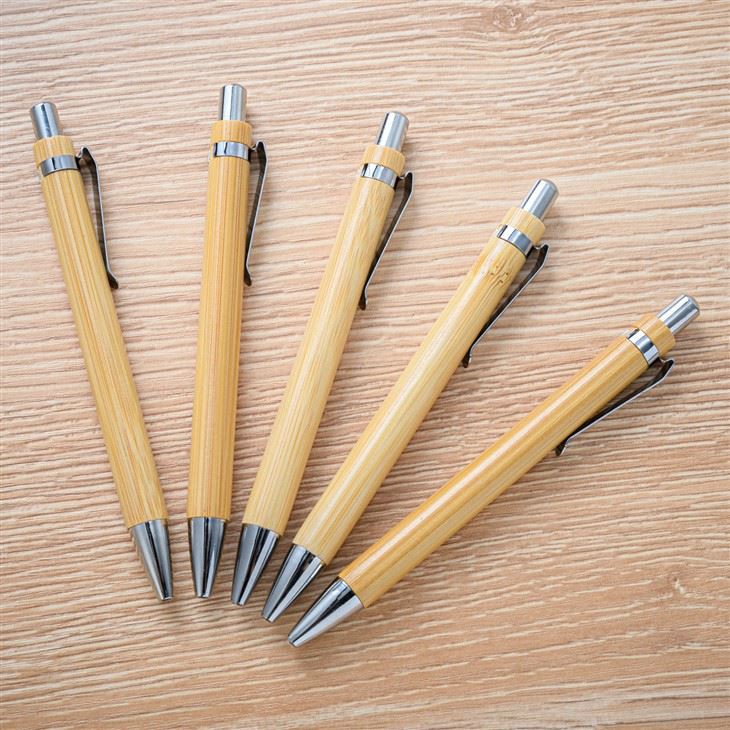
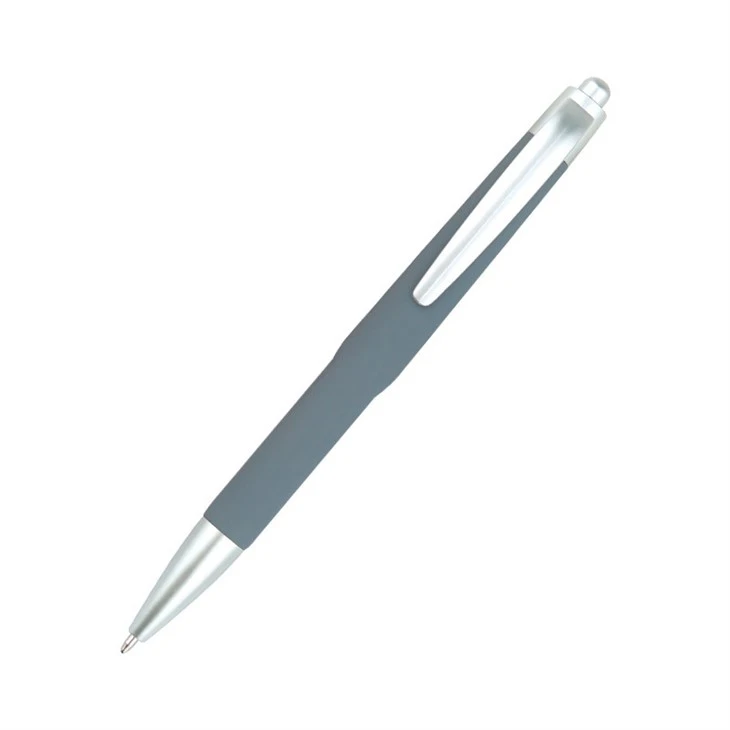
In contrast, pens are typically made from a combination of plastic, metal, and other synthetic materials. They come in a wide range of shapes, sizes, and styles, from sleek and minimalist designs to elaborate and decorative ones. Pens are designed to be more durable and long-lasting than quills, and they often feature a variety of mechanisms for controlling the flow of ink, such as cartridges, pumps, or converters.
Ink Usage
Another significant difference between a pen and a quill is the way they use ink. Quills require the writer to dip the nib into an inkwell periodically to replenish the ink supply. This process can be messy and time-consuming, especially if the writer is in the middle of a long writing session. Additionally, the amount of ink that a quill can hold at one time is limited, which means that the writer may need to dip the quill into the inkwell frequently.
Pens, on the other hand, use a variety of ink delivery systems that are designed to be more convenient and efficient. Fountain pens use a reservoir of ink that is fed to the nib through a system of channels, which allows the writer to write for extended periods of time without having to dip the pen into an inkwell. Ballpoint pens and gel pens use cartridges or refills that contain a pre-measured amount of ink, which can be easily replaced when the ink runs out.
Writing Experience
The writing experience with a pen and a quill is also quite different. Quills offer a unique and tactile writing experience that is often described as more organic and intimate. The flexibility of the nib allows the writer to create a wide range of line widths and styles, from thin and delicate lines to bold and expressive strokes. However, writing with a quill requires a certain amount of skill and practice, as the writer needs to apply the right amount of pressure and angle the nib correctly to achieve a smooth and consistent flow of ink.
Pens, on the other hand, offer a more consistent and predictable writing experience. The modern ink delivery systems used in pens ensure that the ink flows smoothly and evenly, regardless of the writing pressure or angle. This makes pens easier to use, especially for beginners or those who need to write quickly. Additionally, pens are available in a wide range of ink colors and types, which allows the writer to choose the one that best suits their needs and preferences.
Durability and Maintenance
Quills are relatively delicate and require careful handling and maintenance. The nib of a quill can become dull or damaged over time, especially if it is not used properly. Additionally, quills are prone to drying out if they are not stored in a moist environment, which can make them difficult to use. To maintain a quill, the writer needs to clean the nib regularly to prevent ink from drying and clogging the channels, and they may also need to reshape the nib periodically to keep it sharp.
Pens, on the other hand, are generally more durable and require less maintenance. Most pens are designed to be used for long periods of time without needing to be repaired or replaced. However, it is still important to clean the pen periodically to prevent ink from drying and clogging the ink delivery system. Additionally, some pens may require the replacement of cartridges or refills when the ink runs out.
Cost
In terms of cost, quills are generally less expensive than pens. Quills can be made at home using feathers from birds, which makes them a cost-effective option for those who are interested in writing with a traditional instrument. However, high-quality quills that are made from the feathers of specific birds or that are carefully crafted may be more expensive.
Pens, on the other hand, can vary widely in price depending on the brand, type, and features. Basic ballpoint pens and gel pens are relatively inexpensive and can be purchased in bulk for a low cost. However, high-end fountain pens and luxury pens can cost hundreds or even thousands of dollars.
Applications
Quills are often used for calligraphy, artistic writing, and historical reenactments. Their ability to create a wide range of line widths and styles makes them ideal for creating decorative and ornate writing. Additionally, the historical significance of quills makes them a popular choice for those who are interested in writing with a traditional instrument.
Pens, on the other hand, are used for a wide range of applications, including writing, drawing, note-taking, and signing documents. Their convenience, reliability, and versatility make them the preferred choice for most people in everyday situations.
As a pen supplier, we offer a wide range of high-quality pens to suit every need and budget. Whether you're looking for a Soft Touch Pure Plastic Gel Pen for everyday writing, a Business Gift Pens to impress your clients, or a Bamboo Pens Thank You Wood Ballpoint Pens Graduation Employee Appreciation Gift Motivational For Office Volunteer Teacher Nurse Coworker School for a special occasion, we have the perfect pen for you.
If you're interested in learning more about our products or would like to discuss your specific requirements, please don't hesitate to contact us. We're here to help you find the perfect writing instrument for your needs.
References
- "The History of Writing Instruments." Writing Instruments Museum.
- "Quills: A History of the Feathered Writing Tool." National Pen Company.
- "The Evolution of the Pen." Pen World Magazine.