

Do coffee cups affect the taste of coffee?
Jan 12, 2026
Leave a message
Do coffee cups affect the taste of coffee? This is a question that has intrigued coffee enthusiasts and casual drinkers alike. As a coffee cup supplier, I've spent years delving into this topic, and today, I'm excited to share my insights with you.
The Science Behind Taste Perception
Before we explore how coffee cups can influence the taste of coffee, it's essential to understand the science behind taste perception. Our sense of taste is a complex interplay of our taste buds, olfactory receptors, and even our visual and tactile senses. When we take a sip of coffee, our taste buds on the tongue detect basic tastes like sweet, sour, bitter, salty, and umami. However, a significant portion of what we perceive as "flavor" comes from our sense of smell. Aroma compounds in the coffee vaporize and reach our olfactory receptors, enhancing the overall flavor experience.
Visual and tactile cues also play a role. The appearance of the coffee in the cup, the color of the cup itself, and the way the cup feels in our hands can all affect our expectations and, consequently, our perception of taste. For example, a study published in the Journal of Sensory Studies found that people perceived coffee to be sweeter when served in a white cup compared to a clear or blue one. This shows that the color of the cup can influence our taste perception.
Material Matters
The material of the coffee cup can have a profound impact on the taste of coffee. Different materials have different properties that can either enhance or detract from the flavor.

Ceramic Cups
Ceramic cups are a popular choice among coffee lovers. They are known for their ability to retain heat, which is crucial for keeping coffee at the optimal drinking temperature. Ceramic is also a non - reactive material, meaning it won't interact with the coffee's chemical compounds. This allows the true flavor of the coffee to shine through. Additionally, the smooth interior of ceramic cups provides a clean and consistent surface for the coffee, ensuring an even distribution of flavor on the palate.
Glass Cups
Glass cups offer a unique visual experience, allowing you to appreciate the color and clarity of the coffee. They are also non - reactive, similar to ceramic. However, glass is a poor insulator compared to ceramic, so coffee in a glass cup may cool down more quickly. On the positive side, glass doesn't absorb any flavors or odors, which means it won't affect the taste of future cups of coffee.
Stainless Steel Cups
Stainless steel cups are durable and lightweight, making them a great option for on - the - go coffee drinkers. They are also excellent at retaining heat. However, some people claim that stainless steel can impart a slight metallic taste to the coffee, especially if the coffee is left in the cup for an extended period. To mitigate this, many high - quality stainless steel cups are lined with a non - reactive material.
Paper Cups
Paper cups are commonly used in coffee shops due to their convenience and affordability. However, they are often lined with a thin layer of plastic to prevent leakage. This plastic lining can sometimes affect the taste of the coffee, giving it a slightly "plasticky" flavor. Additionally, paper cups are not good at retaining heat, so the coffee may cool down quickly.
Shape and Design
The shape and design of the coffee cup can also influence the taste of coffee.
Cup Rim
The shape of the cup rim can affect how the coffee flows onto the tongue. A narrow rim can direct the coffee to the front of the tongue, where the taste buds are more sensitive to sweet and salty flavors. On the other hand, a wide rim allows the coffee to spread across the tongue, providing a more balanced taste experience.
Cup Size
The size of the cup can impact the aroma and taste of the coffee. A smaller cup concentrates the aroma, making it more intense. This can enhance the overall flavor perception, especially for specialty coffees with complex flavor profiles. A larger cup, on the other hand, may allow the coffee to spread out, reducing the concentration of the aroma.
The Role of Our Portable Coffee Flask
At our company, we understand the importance of a high - quality coffee cup in enhancing the coffee - drinking experience. That's why we offer a range of coffee cups, including our Portable Coffee Flask.
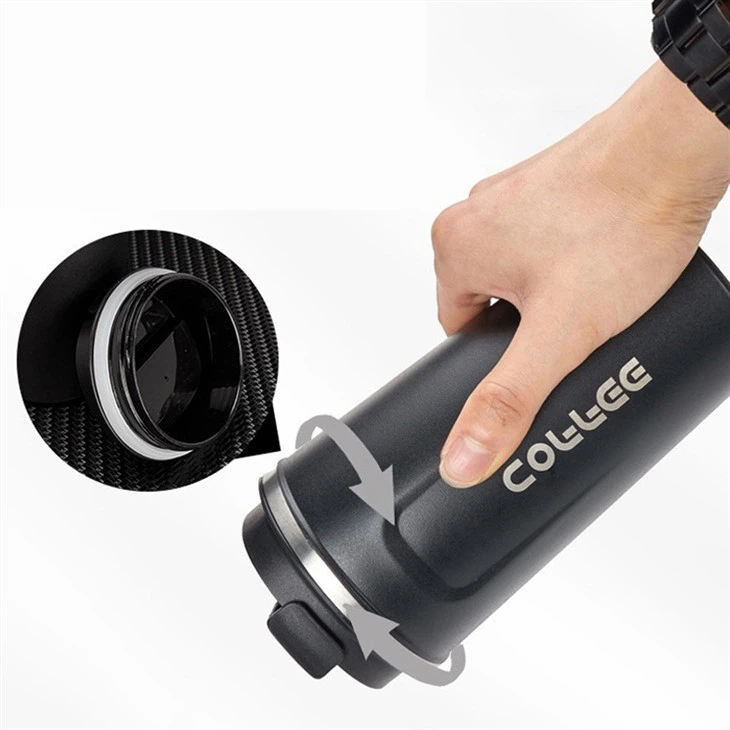
Our portable coffee flask is made from high - quality stainless steel, which is both durable and excellent at retaining heat. It's designed with a double - wall vacuum insulation that keeps your coffee hot for hours, whether you're commuting to work, going on a hike, or simply running errands. The interior of the flask is lined with a non - reactive material to ensure that there is no metallic taste imparted to the coffee.
The flask also has a well - designed lid that prevents leaks and spills. The narrow opening of the lid directs the coffee to the front of the tongue, enhancing the sweetness perception. And with its sleek and modern design, it's not only functional but also stylish.
Conclusion
In conclusion, coffee cups do indeed affect the taste of coffee. The material, shape, and design of the cup can all influence our taste perception through a variety of sensory cues. As a coffee cup supplier, we are committed to providing our customers with high - quality coffee cups that enhance the overall coffee - drinking experience.
If you're a coffee shop owner, a distributor, or simply someone looking to purchase coffee cups in bulk, we'd love to discuss your needs. Our team of experts is ready to assist you in finding the perfect coffee cups for your requirements. Contact us to start the procurement conversation and take your coffee experience to the next level.
References
Deliza, R., & MacFie, H. J. H. (1996). The generation of sensory expectations by external cues and their effect on sensory perception and hedonic ratings: A review. Appetite, 27(2), 163 - 179.
Spence, C., & Piqueras - Fiszman, B. (2014). The influence of the colour of the coffee cup on the perceived intensity, flavour profile, and sweetness of coffee. Journal of Sensory Studies, 29(3), 280 - 288.